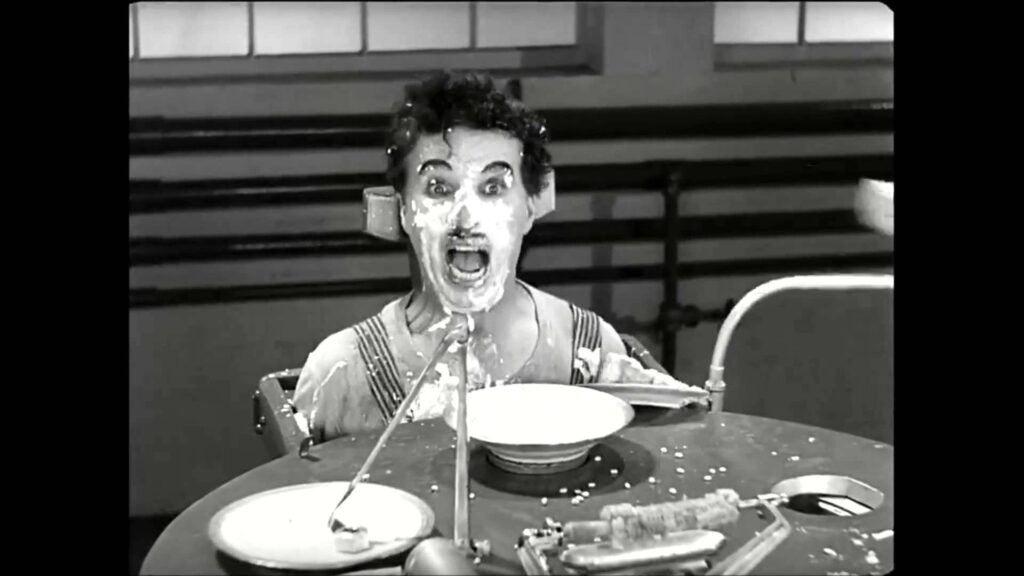

It’s everywhere. Promises of “10x productivity,” AI-powered efficiency, and workflows so streamlined they practically run themselves. We’re told automation is the key to unlocking a new era of business success. And in many ways, it is. But the relentless pursuit of automation can lead us astray, automating not just tasks, but also the very human elements that make our businesses thrive.
The temptation is understandable. Every tool seems designed to eliminate manual effort, and who doesn’t want more time? However, a crucial principle often gets lost in the hype: if the end goal is to move a process forward, automate it. If the end goal is to move a person, don’t.
Let’s be clear: automating repetitive procedures – rate updates, inventory pushes, internal reports, invoice emails – these are low-hanging fruit and should absolutely be done. Systems excel at predictable paths, and so do humans who aren’t bogged down in tedious tasks. But the line blurs when automation encroaches on interactions designed to build relationships, foster trust, or simply make someone feel valued.
Consider the rise of AI chatbots and automated email responses. While seemingly convenient, they often leave guests feeling frustrated and unheard. A generic response to a complex question, an impersonal welcome message – these aren’t shortcuts, they’re barriers. We instinctively recognize when communication lacks genuine intention. Just as we notice a slight glitch in CGI or a stilted performance from an actor, we sense the artificiality of automated interactions. We might not articulate why, but that feeling of disconnect is palpable.
Even hyper-personalized recommendations – those eerily accurate suggestions from Spotify, Netflix, and YouTube – feel mechanical. They’re impressive feats of data analysis, yet they lack the warmth of a genuine human understanding. We accept these systems are “about 80% right,” but we wouldn’t tolerate a human advisor consistently missing the mark to that degree.
The most dangerous form of automation isn’t about the technology itself; it’s about automating actions intended to convey human intention. Humans feel intention, and when it’s absent, trust erodes. That feeling is amplified in hospitality, where personal connection is paramount. Imagine a hotel chain replacing its concierge with an advanced search bar – efficient, perhaps, but utterly devoid of the empathy and personalized service guests crave.
So, what does successful automation look like? It’s not about replacing human interaction entirely; it’s about freeing up staff to focus on meaningful interactions. And here’s a prime example: self-service kiosks for room key printing and payment.
Think about the overwhelmed front desk staff – it’s a recipe for a negative first impression. A self-service kiosk elegantly solves this problem. Guests can quickly print their keys, settle outstanding balances, and even review their folio with minimal wait time.
This isn’t about replacing the human touch, it’s about streamlining a process. The kiosk handles the transactional aspects efficiently and accurately, reducing errors and freeing up valuable employee time.
This is automation done right. It’s not about replacing a human, it’s about augmenting their capabilities and improving the overall guest experience. It moves a process forward, while simultaneously allowing for more personalized human interaction.
The Chaplin Lesson & Finding the Balance
We can’t automate everything, and we shouldn’t try. The moment people realize they are interacting with a system, not a person, they disengage. That’s when automation becomes spam – impersonal, unwelcome, and ultimately counterproductive.
The key is to identify the tasks that truly benefit from automation – the repetitive processes that can be handled efficiently without sacrificing the human touch. By focusing on what not to automate – those interactions that require empathy, understanding, and genuine connection – we can unlock a clearer path toward meaningful automation that enhances both efficiency and guest satisfaction.